
A Pesach (פֶּסַח) Message from Rabbi Colman Reaboi
Shalom All,
As we gather to observe one of the Jewish Calendar’s most observed holy days, let us take time to think about what it means to celebrate Pesach in our day and age. As we ‘Passover’ yet another year lived, we can look back and see what we’ve accomplished, and what we have not. What we have gained, and what we have yet to gain. What we have lost and what we have found. We can look back and see all of the possibilities there were created for us, and the possibilities we have created for others.
I loved to string together the cycles of life, seasons, holidays and Torah. They are all interconnected, as are we.
This is the season of Spring. It is a time of birth, renewal, and awakening. In Israel, it is the beginning of the barley harvest and the end of the rainy season. We are also in the Hebrew month of Nisan, which is technically the Jewish New Year, according to the Torah narrative. The end of the School year is in just a few weeks, bringing the hope of warmer days and new beginnings just a few months away. As we see these events coming together, can we also notice other patterns in our own lives?
Someone recently asked me what my favorite part of Pesach was. It’s a difficult question for me because Pesach is my favorite holiday, and it’s hard to choose what my favorite part is. But if I had a favorite, I would say it’s the retelling of the story.
Why? Storytelling is one of the oldest ways people communicated in ancient society. Indigenous societies use the power of storytelling today to transmit their heritage and to teach others in the form of parables.
Torah speaks about observing the Festival of Pesach simply by eating the matzah and maror (bitter herbs) and telling the story of the Exodus. The other rituals and traditions of the Passover Seder are add-ons beginning in the Rabbinic period.
New traditions and being added on, even in our days. The Haggadah, the primary booklet of the Seder, has changed, too. The themes range from Social Justice to the Atheist’s Haggadah, from the Jew-Boo Haggadah (Jewish Buddhist) to the ‘Wicked’ Haggadah. Other themes are Women, Peace, Gratitude, and, of course the 30-minute Seder!
What they have in common is that they are telling the story of Pesach from different perspectives, while keeping the spirit of Pesach intact. Of course, the reason why we must keep retelling the story of our redemption is to know where we came from in order to shape how we see our present and future: ‘Treat others with kindness because we were once slaves in Egypt and facing cruelty and certain destruction.’ ‘Don’t be haughty, if it wasn’t for G-D we would still be slaves in Egypt.’ There are other lessons to learn.
The story of the Exodus is OUR story. We have a collective memory that can’t be perceived but can be understood. How can we possibly perceive an event that happened (or may not have happened) nearly 2,500 years CE? Thus far, archeology has unearthed very little proof that there were Jews in Egypt or any sign of Israelites in the Sinai Wilderness. But the story fascinates us. From the drama of the plagues to the splitting of the See of Reeds, the story has something for everyone. And that’s where the paradox comes in – We don’t know if the story of Pesach actually happened historically, but that doesn’t stop us from believing it to be true. It doesn’t stop us from gaining strength in a story that connects us and inspires us. The story is something we all share, whether you are born Jewish or have chosen to become Jewish. The story may or may not be true, but it creates a collective memory that binds us. The story of the Exodus inspires us to action and cultivates a trait of gratitude among us and the generations that come after us.
And that is how it has been since we started telling the Story of Passover. In essence, WE are the story. But here is the Big news- the story ain’t over yet! The story of our people’s redemption from slavery and freedom to be who are to become is happening right now.
In the beginning of this letter, I asked if you see a pattern or patterns of events in your life. Could the pattern be a positive one? Are you valuing your freedom? Are you living a life of gratitude to G-D and showing chesed (compassion) for others who are not fully free? Are you retelling the story to your children and your children’s children? Or are you seeing a pattern of stagnancy, repeated mistakes or being a slave to unhealthy habits or addiction?
The word for Egypt is Mitzrayim, which literally translates to ‘Narrow places’. To believe in the story of the Exodus is to believe in the power of redemption and rebirth. People can change! Your life can be your best life. We can break the bonds that hold us down and hold onto the bonds that bind us together. We can create new possibilities for ourselves and for others. Perhaps that is why we are commanded to retell the story each year. G-D is hoping beyond hope that if we keep telling the story, we will eventually come to believe in it – and perhaps we can start to believe a little more in ourselves.
I wish You and Yours a Happy Passover. Chag Pesach Same’ach!
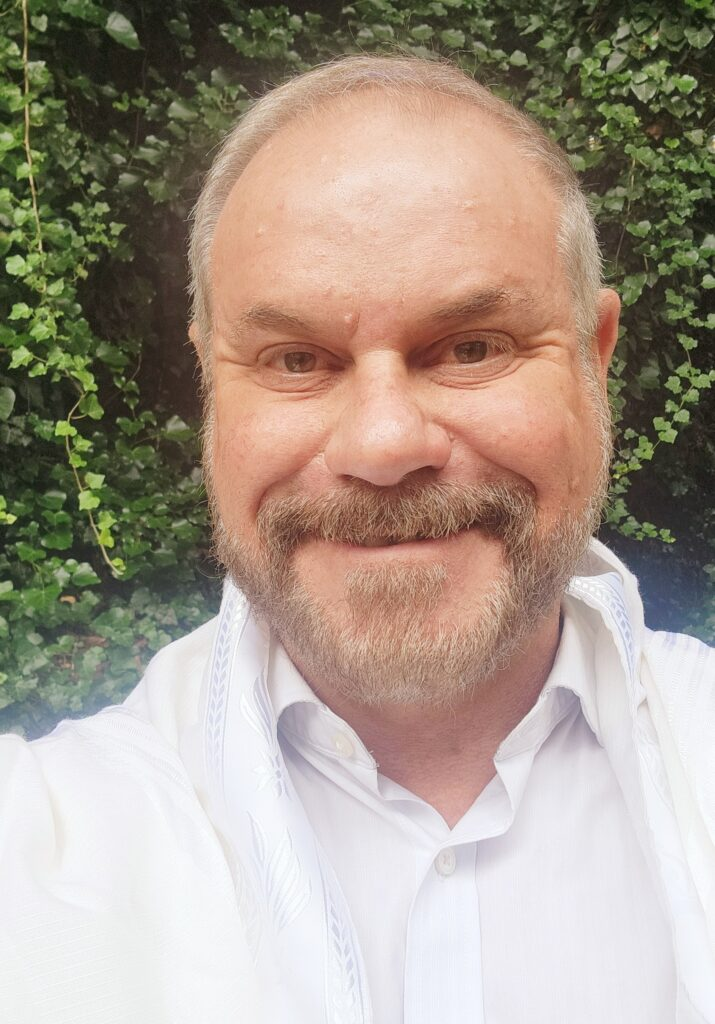
Rabbi Colman Reaboi